

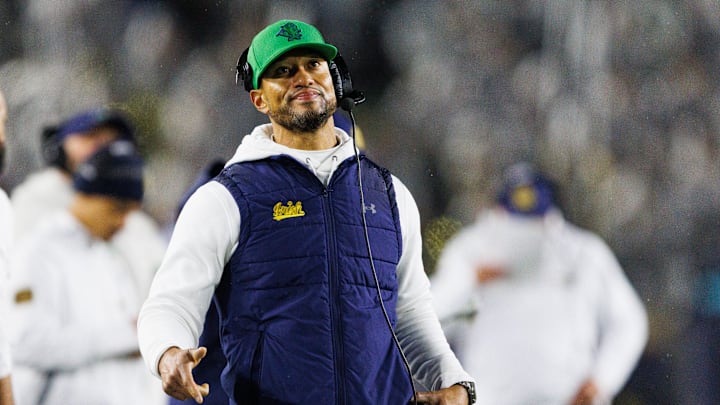
When the final College Football Playoff rankings were unveiled, most of the country focused on the headline decision: Miami in, Notre Dame out. But beneath the arguments about résumés, head-to-head results, and late-season momentum lies a deeper storyline and that's one centered on CFP chairman Hunter Yurachek and the unmistakable message the committee delivered.
This year’s playoff selection wasn’t just a judgment. It was a statement. A statement aimed directly at South Bend.
For years, Notre Dame has navigated the college football landscape as the sport’s most powerful independent. The Irish enjoy unparalleled scheduling freedom, massive brand recognition, and a unique ability to control their own path. But as Yurachek revealed the final playoff field, it became clear the era of deference toward independence is nearing its end.
Yurachek and CFP Committee Sent a Warning Shot
Notre Dame had been ranked inside the top 10 every week since early November. They kept winning. They dominated opponents. Nothing on the field suggested they should slide.
Yet when the dust settled, the Irish fell to No. 11, outside the 12-team playoff, in favor of Miami and Alabama.
The rationale was obvious:
- Miami beat Notre Dame head-to-head. Leaving Miami out would undermine their criteria for what they look for in teams making the bracket.
- Alabama, coming off an SEC title appearance, couldn’t be excluded without undermining conference championships. And leaving Miami out would have meant zero ACC teams in the playoff, an unprecedented blow to a Power Four league.
Yurachek didn’t have to say the quiet part out loud. The committee’s actions did it for him. If Notre Dame wants the benefit of the doubt in tight races, join a conference.
Independence No Longer Benefits Notre Dame
Notre Dame has long believed its independence could enhance its playoff odds, not hurts them. The 4-team CFP era supported that theory: go undefeated or 11-1, and you’re in the mix automatically.
But the 12-team model changes the equation entirely. Now:
- Conference championships/appearances matter
- Strength of schedule is measured differently
- Metrics increasingly favor those with structured, comparable paths
By remaining independent, Notre Dame forfeits the single most valuable asset a playoff contender can possess: A conference title game, a final résumé boost when the entire nation is watching could've kept Notre Dame in the field leaving the committee no option but to leave them in.
Why the Committee Had No Other Choice
Yurachek’s committee faced a political storm no matter what they chose. Two Group of Five teams earned their way in. Duke upset Virginia in the ACC title game. The SEC demanded representation. The ACC risked being shut out entirely. Chaos happened and the committee had to adjust.
The CFP’s credibility hinges on honoring conference championships, head-to-head results, and structural fairness. Including Notre Dame over Miami would’ve violated all three.
The Irish didn’t just lose a playoff spot, they lost leverage. And that’s exactly what Yurachek and the committee intended.
Join a Conference or Accept the Consequences
For years, college football administrators, media, and even rival coaches have argued that Notre Dame’s independence forces the committee to bend the rules to accommodate them. This time, the committee refused to bend.
Notre Dame fans will argue about timing, transparency, and fairness and those grievances are reasonable. But the larger truth is unavoidable:
The committee used this moment to make a point:
If the Irish want stability in playoff access…
If they want protection from late movement…
If they want the same structural advantages as everyone else…
They must join a conference. Because in the era of the 12-team CFP, independence is no longer a privilege, it’s a handicap. And Hunter Yurachek’s committee just turned that into a national headline.
 Add us as a preferred source on Google